

In food processing, pharmaceutical manufacturing, packaging, and other controlled environments, preventing foreign-material contamination is an important part of quality management. Specialized tape can help businesses secure packaging, repair equipment, label items, or handle temporary maintenance tasks while reducing contamination risks. However, not every product offers the same level of performance. Understanding the important features can help businesses select a suitable option for their specific working environment.
1. Reliable Metal Detectability
The primary feature to consider is how effectively the tape can be identified by metal detection systems. Metal detectable tape is designed with metallic or detectable components that allow suitable detection equipment to identify it if a piece accidentally enters a production process.
Businesses should review the manufacturer’s specifications and confirm that the tape is compatible with their existing detection systems.
2. Strong Adhesive Performance
A reliable adhesive is essential when tape is used around machinery, packaging, containers, or production surfaces. The tape should remain securely attached during normal handling and operating conditions.
Depending on the application, businesses may need an adhesive that performs well on smooth, rough, plastic, metal, or other surfaces. Strong adhesion can help prevent loose pieces from becoming a potential contamination concern.
3. Suitable Material and Durability
The tape material should match the conditions in which it will be used. Some workplaces may expose tape to moisture, temperature changes, cleaning chemicals, or frequent handling.
Metal detectable tape with durable construction can provide more reliable performance in demanding environments. Before purchasing, consider whether the product is designed to withstand the temperatures, humidity, and cleaning procedures found in the facility.
4. Clear Color and Visibility
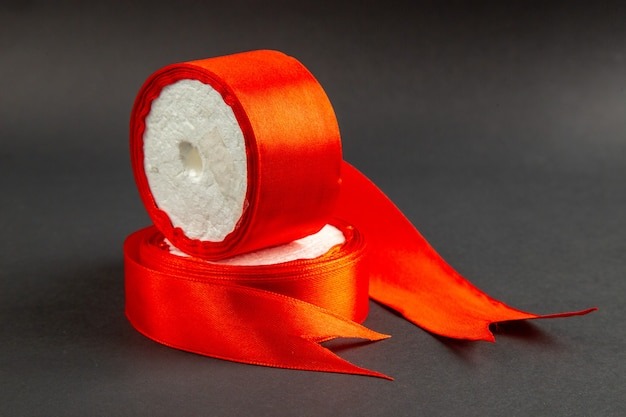
Visibility is another useful feature, especially in busy production areas. Bright or distinctive colors can make the tape easier for employees to notice during inspections and routine operations.
High visibility can also help workers identify temporary repairs, sealed areas, or taped equipment more quickly. A clearly visible product can support both workplace organization and visual inspection procedures.
5. Appropriate Size and Easy Application
Tape should be available in sizes and formats that suit the intended application. Different tasks may require narrow strips for small repairs or wider rolls for securing larger surfaces.
Easy-to-cut or easy-to-apply designs can save time during routine maintenance. Choosing a practical width and roll length can also reduce material waste and make the product easier for employees to handle.
6. Compliance and Quality Considerations
For industries with strict hygiene and quality requirements, businesses should examine product documentation before making a purchase. Check the manufacturer’s information regarding intended applications, materials, detection performance, and relevant standards or certifications.
A suitable tape should fit the facility’s existing safety and quality procedures. Clear documentation also helps purchasing teams and quality managers make informed decisions.
Final Thoughts
Selecting the right tape requires more than simply looking for metal detection compatibility. Businesses should consider detectability, adhesive strength, durability, visibility, size, application requirements, and product documentation. By evaluating these features carefully, facilities can choose a product that fits their operational needs while supporting contamination-control practices. A well-selected tape can become a useful tool for maintenance, packaging, and production environments where quality and safety are important.