

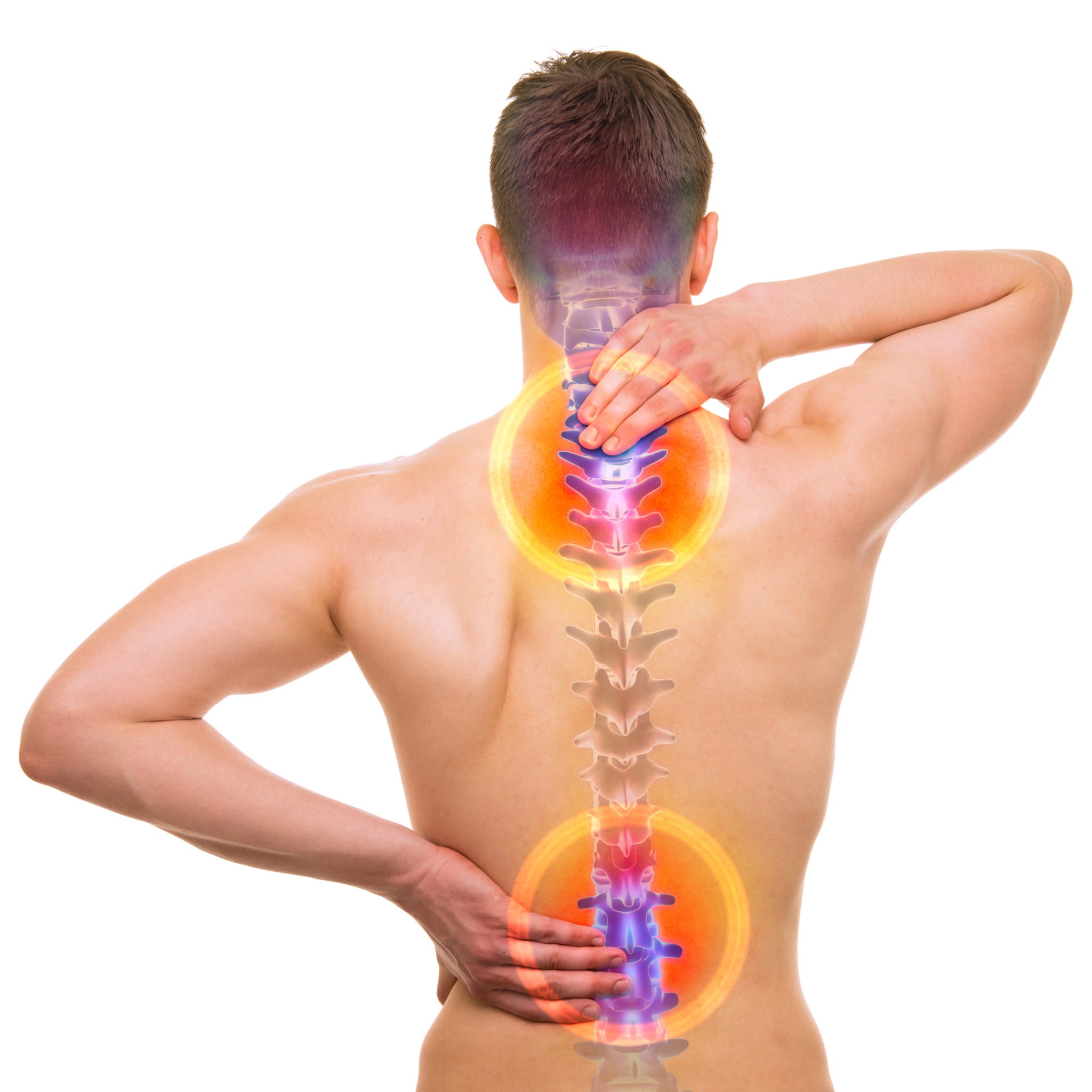
The spine is an important part of the body’s ability to work right. It provides structural support, protects the spinal cord, and helps people move comfortably throughout their daily lives. While many people only think about spinal health when they experience discomfort, the condition of the spine can influence overall wellness in many ways. Maintaining a healthy spine contributes to physical mobility, better posture, improved energy levels, and a higher quality of life.
Why Spinal Health Matters
The spine is much more than a collection of bones stacked together. It supports the body and is home to the spinal cord, which is an important part of the nervous system. Messages travel through the spinal cord between the brain and the rest of the body, helping regulate movement, sensation, and various bodily functions.
The body can move easily and comfortably when the spine is healthy and in the right place. However, issues such as poor posture, injuries, muscle imbalances, or age-related changes can place stress on the spine. Over time, these problems may affect daily activities and overall well-being.
The Connection Between Spinal Health and Physical Activity
A healthy spine allows people to stay active. Whether walking, exercising, lifting objects, or participating in recreational activities, proper spinal function supports movement and flexibility.
Back pain often makes it hard to do active activities, which can cause other health problems like weight gain, worse cardiovascular fitness, and weaker muscles. People are more likely to stay active and enjoy the benefits of daily exercise if they take care of their spine.
Physical activity also supports the spine by strengthening muscles that help stabilize and protect it. This creates a positive cycle where movement promotes spinal health, and spinal health encourages continued movement.
How Spinal Health Influences Posture
Good posture is closely linked to spinal wellness. The spine naturally has curves that help distribute weight and absorb stress. Poor posture can place excessive pressure on muscles, joints, and spinal structures.
A lot of people today spend a lot of time sitting down, often while using computers or phones. This can make you hold your body wrong, which can cause neck pain, back pain, and muscle tightness.
Maintaining proper posture helps reduce unnecessary strain on the spine. It can also improve breathing, increase comfort during daily activities, and support overall physical health.
The Impact of Spinal Health on Daily Comfort
Spinal problems can affect more than movement. Persistent discomfort may interfere with sleep quality, work performance, and everyday tasks. Individuals experiencing ongoing back pain often find it difficult to focus, remain productive, or participate in activities they enjoy.
Seeking professional care when symptoms arise can help address underlying issues before they worsen. Many people turn to pain management doctors in Denver to evaluate chronic discomfort and explore treatment options that support long-term spinal health and improved daily function.
Preventing Spinal Problems Through Healthy Habits
Protecting spinal health often involves simple lifestyle choices. Regular exercise, proper lifting techniques, maintaining a healthy weight, and using ergonomic workstations can all reduce stress on the spine.
Stretching and strengthening routines can help your muscles become more flexible and support your body better. Making sure you watch your stance all day can also help keep your spine from getting too tired or stressed.
Adequate sleep and stress management may further support overall wellness, as the body relies on rest and recovery to maintain healthy muscles, joints, and connective tissues.
Building a Foundation for Long-Term Wellness
Spinal health is closely connected to overall wellness because it influences mobility, comfort, posture, and daily function. A healthy spine helps people stay active, maintain independence, and participate fully in work, family, and recreational activities.
Rather than viewing spinal care as a response to pain alone, it should be considered an important part of a healthy lifestyle. By adopting habits that support spinal wellness and seeking professional guidance when needed, individuals can protect their long-term health and enjoy a more active and comfortable life.